QUICK ANSWER
To increase breast milk supply, remove milk frequently, stay hydrated, eat enough, and protect your overnight pumping sessions in the early weeks. Supply runs on a simple demand cycle. The more consistently you remove milk, the more your body produces to feed your baby.
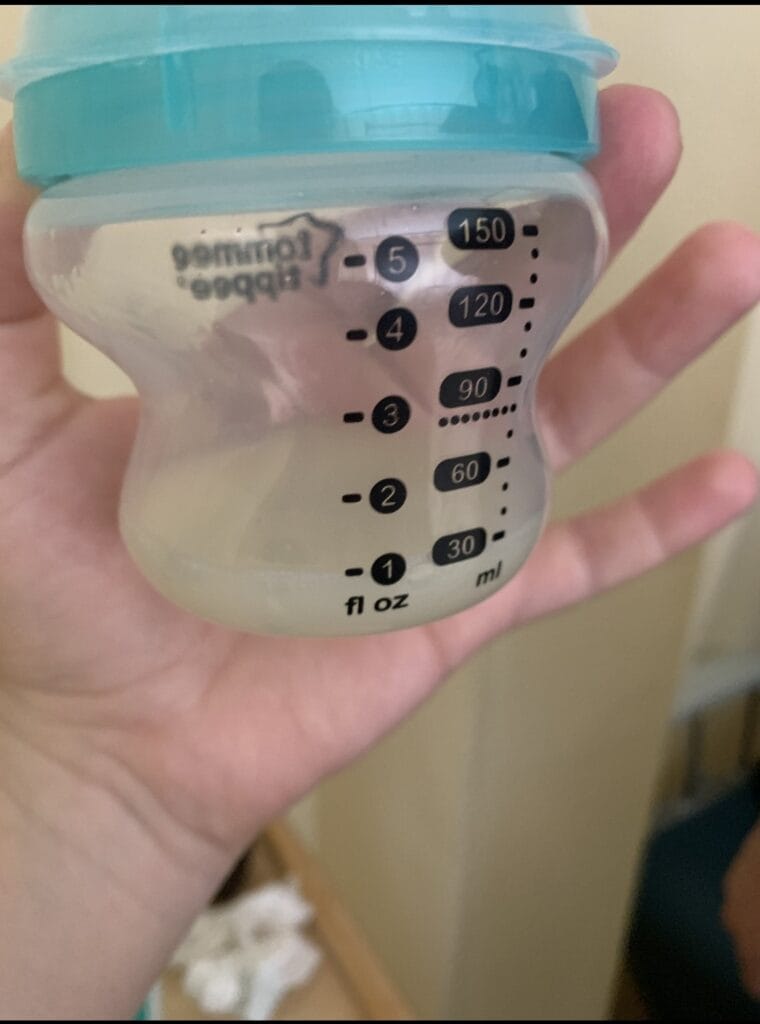
If you’re reading this at 3 a.m., staring at a bottle with barely two ounces and wondering how to increase milk supply – I see you. The anxiety, the obsessive tracking, the Google spirals wondering if your supply is tanking for good. Nobody warned me how consuming it would get, and honestly? It’s one of the hardest parts of early motherhood that people don’t talk about enough.
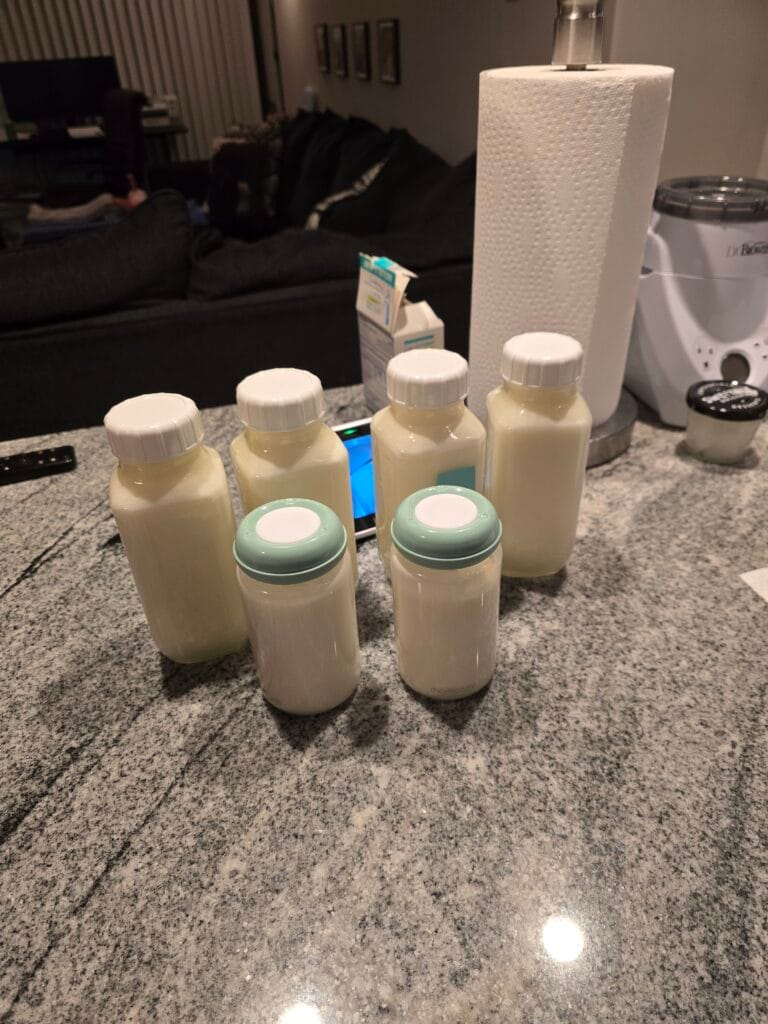
I’m going to share everything I do differently with my second baby – what took me from losing my supply almost overnight with my daughter to having a full oversupply with my son. None of it is a secret. All of it is consistent, practical, and something you can start today.
What Happened With My First (And Why I Was Completely Unprepared)
Almost five years ago, I was so excited to breastfeed my daughter. Supply came in strong. I thought I had it figured out. Then around six weeks postpartum, it quietly started disappearing – and I had no idea why.
Looking back, I can see every mistake I was making. I wasn’t pumping on a consistent schedule. I’d skip sessions when life got busy and tell myself I’d make it up later (spoiler: you can’t really). I wasn’t drinking nearly enough water. I wasn’t eating enough calories to sustain both me and a milk supply. And I genuinely had no idea that any of those things were connected to the amounts of milk I was producing.
By the time I noticed the drop, I didn’t know how to bring it back.
When I got pregnant with my son, I made a decision: I was going to figure this out before the problem even had a chance to start. I did the research before he was born, built a routine before he arrived, and I genuinely think that’s why my supply looks nothing like it did the first time.
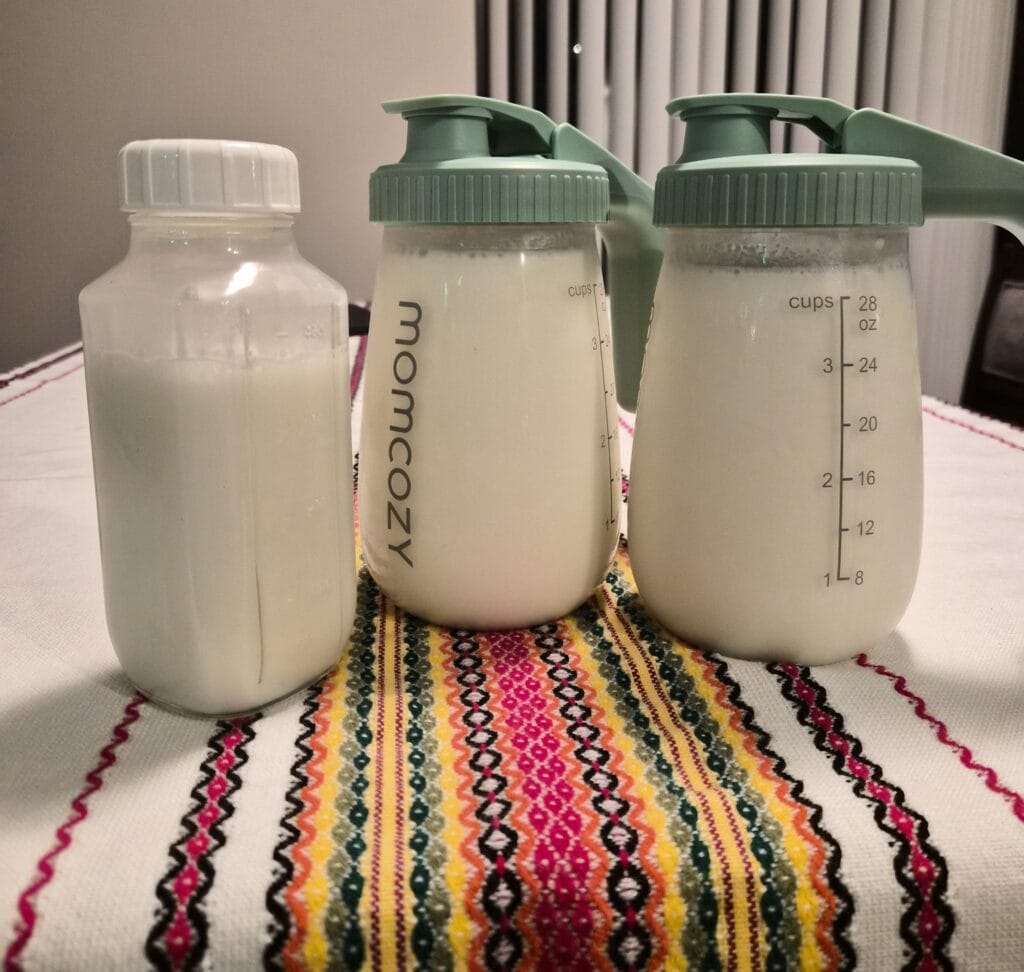
Here’s everything I’m doing differently.
How to Increase Milk Supply When Pumping: Start With the Basics
Before anything else, there’s one thing you need to understand – your body produces milk based on demand. That’s the whole supply and demand system right there. The more consistently you remove milk, the more your body makes. Everything I’m about to share supports that one principle.
Nail your schedule before you think you need to
In the first two months with my son, I pumped every three hours. No skipping. Alarms set. Non-negotiable. And it’s honestly the single most important thing I did to build my supply.
Most moms start thinking about how to increase milk supply fast when they’re already seeing a drop. But protecting your supply before it dips? That’s where you actually win. In those early weeks, your body is still figuring out how much milk it needs to produce to feed your baby – and every session you skip sends the signal that less milk is needed.
Already seeing a decrease? Add your sessions back in and give it five to seven days before you judge whether it’s working. Supply doesn’t rebuild overnight, but it will respond.
Get your pumps set up properly
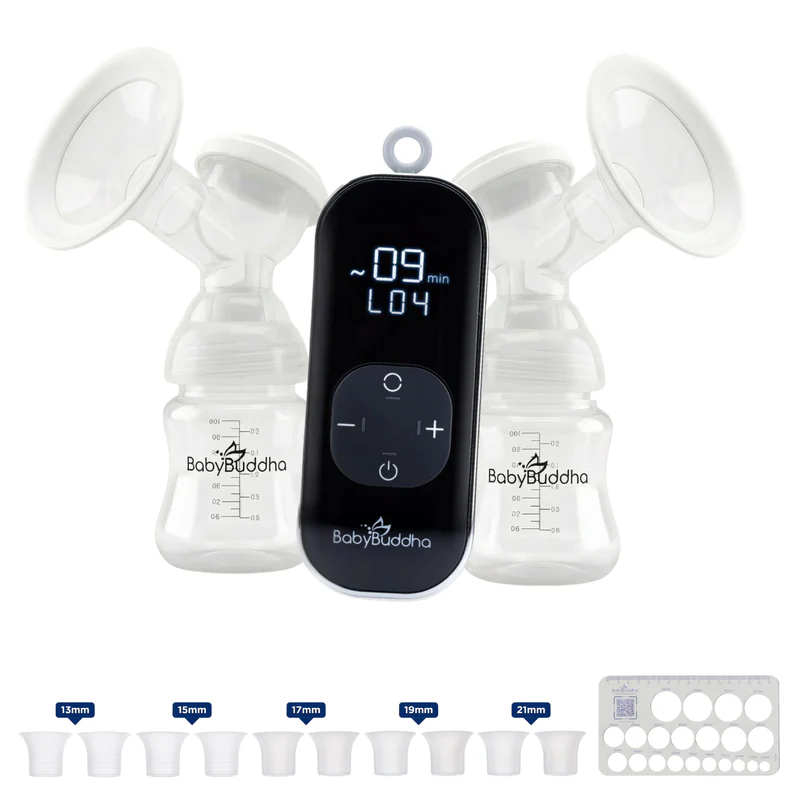
I use my Spectra S1 as my primary pump, and this ended up mattering way more than I expected. Early on I leaned on a wearable for convenience – and my output dropped noticeably. Wearables are great when you’re on the go, but they don’t always create enough suction to fully empty the breast, and incomplete emptying tells your body to slow down production.
At home, use your stationary double electric breast pump. Get your pumps set up and ready before you even start. Save the wearable for when you genuinely have no other option.
Check your flange size – seriously
Most pumps ship with a 24mm flange. Most women are not a 24mm. When the fit is off, milk doesn’t flow out efficiently, output drops, and pumping becomes painful fast.
I measured my nipple diameter before my son was born and ordered the right inserts before I even needed them. If your output feels lower than it should and you haven’t checked your flange size, start there. It’s a small thing that makes a surprisingly big difference.
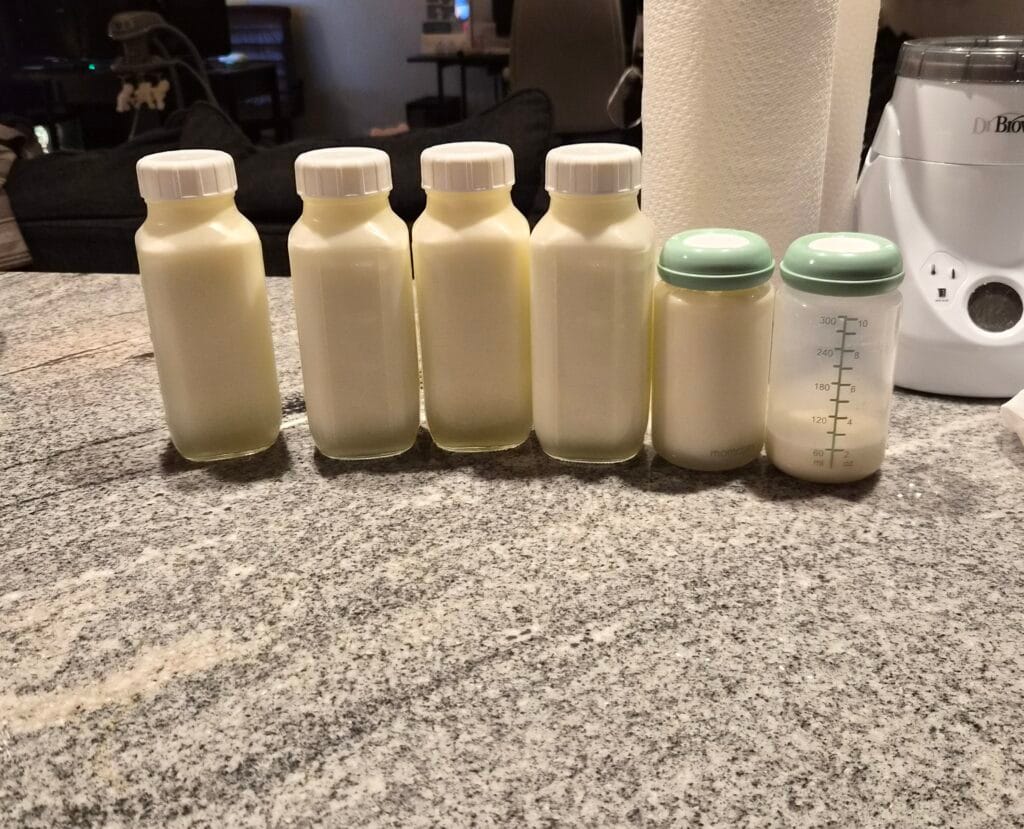
How Often Should I Pump to Increase Milk Supply?
In the early weeks: every three hours, including overnight. I know. I know. But hear me out.
Why the middle-of-the-night pump is worth protecting
Prolactin – the hormone responsible for milk production – peaks naturally between 1 a.m. and 5 a.m. So when you pump during that window, you’re catching your body at its highest hormonal output of the day. That signal tells your body to keep making milk.
Dropping overnight sessions entirely in the first two to three months is one of the most common reasons supply quietly declines. I protect at least one session in that overnight window every night, and it has made a real difference in my overall output.
That said, if you sleep through it once – it’s okay. Your supply won’t disappear from one missed session. You’ll see warning signs (a gradual drop over several days, a change in how letdown feels) long before things become a real problem. Give yourself grace. Just don’t let it become a consistent pattern in those early weeks.
When can you start pumping less often?
After month three, once my supply was fully established, I moved to every four to four and a half hours. My supply held strong. Once your milk is stable, your body can handle more flexibility. The key is getting through those first eight weeks consistently – then you can start giving yourself more room to breathe.
How to Power Pump to Increase Milk Supply
Power pumping is my go-to tool whenever I notice a small dip. It mimics cluster feeding, which sends a strong signal that your baby needs more milk – and your body responds accordingly.
The session that works
- Pump for 20 minutes
- Rest for 10 minutes
- Pump for 10 minutes
- Rest for 10 minutes
- Pump for 10 minutes
Do this once a day on top of your regular schedule for three to five days in a row. Don’t swap it out for a regular session – add it in. I noticed a change in my output within two to three days every single time I used this. If your supply is dipping, start today. Don’t wait until the drop gets worse.
Hydration and Nutrition: What I Was Getting Wrong the First Time
Breast milk is mostly water. Your body cannot consistently produce enough milk if you’re dehydrated – and most new moms are more dehydrated than they realize, because nobody’s reminding you to eat and drink when you’re also keeping a tiny human alive.
How much water you actually need
I drink close to a gallon or more of water every day. On top of that, I take one Liquid IV packet daily for electrolytes. Electrolytes help your body actually use the water you’re drinking rather than just flushing it through – I noticed a real difference in my milk flow once I got consistent with this.
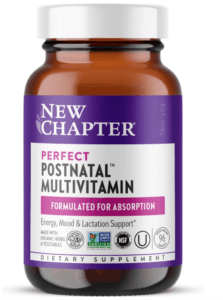

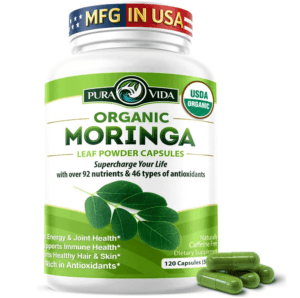
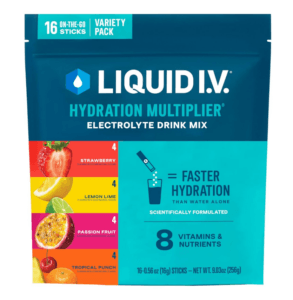


The supplements that support my supply
Postnatal vitamins, DHA and choline every single day. These don’t directly increase the amounts of milk you produce – but your body needs to be well-nourished to produce consistently, and these are the foundation.
I also added sunflower lecithin in my first two months. It won’t boost your supply, but it keeps the fat in your milk flowing smoothly, which lowers your risk of clogged ducts and mastitis significantly. A clogged duct can throw off your whole pumping schedule fast – I’d rather prevent it than deal with it.
Moringa: what I added at month three
After my third month, I started taking moringa. It’s a galactagogue, meaning it actively supports milk production – and research from the National Institutes of Health backs that up for breastfeeding mothers.
What I didn’t expect was the hormonal support. Moringa also helps regulate prolactin and cortisol. Lower cortisol means less stress, and stress is genuinely one of the fastest ways to tank a letdown. Since I added moringa, my milk flow has been more consistent, my hormones have felt more balanced, and honestly – my mornings just feel easier. That part was a nice surprise.
How Long Does It Take to Increase Milk Supply?
Honestly? It depends on where you’re starting from.
If you’re power pumping and adding sessions, most moms see a change within three to five days. Building supply from scratch in those early weeks takes longer – expect four to six weeks of consistent effort before things feel stable. Your body is responding to signals, and signals take time to register.
Don’t compare your output to what other moms are posting. A two-ounce pump and a ten-ounce pump can both be completely normal depending on where you are in your supply journey. The number that actually matters is whether your baby is gaining weight steadily and getting enough to eat. That’s it.
What to Do If You Miss a Pump (Or Sleep Through Your Alarm)
Supply does not disappear from one missed session. Please hear that.
Sleep through your overnight alarm? Your supply is fine. Have a hard day and skip two sessions? Still fine. What gradually affects supply is consistently going long stretches without removing milk over many days in a row – not a single off day.
Watch for patterns, not single events. If your output drops noticeably for three or four days straight, that’s your signal to add a session back or run a few days of power pumping. You’ll catch it early enough to fix it without much effort.
Be consistent – but also be kind to yourself. This season is hard enough without holding yourself to a perfect standard every single day. You’re doing better than you think.
You’ve Got This, Mama
I know how heavy this feels when you’re in it. Every ounce tracked, every session timed, every dip in output sending you into a spiral. I’ve been that mom – crying over a bottle, convinced my body was failing my baby.
But here’s what I know now that I wish someone had told me the first time: your body wants to feed your baby. It’s designed for this. Most of the time, supply issues aren’t about your body failing – they’re about your body not getting the right signals. Consistent pumping, real hydration, enough food, and a little patience go further than anything else I’ve tried.
Start with one thing on this list. Just one. Add the overnight pump back in, drink a full glass of water right now, set your alarm for your next session. Small consistent steps are what build supply – not perfection, not panic, not comparing your ounces to anyone else’s freezer stash.
You’re already doing the hardest part by showing up and looking for answers. That matters more than you know.