If you’re an exclusive pumper, you already know the daily juggle. You want to protect your milk supply, but you also have a life to live and a baby who doesn’t care that you’re tethered to a wall. For my first few months, that meant always choosing between a pump strong enough to actually empty me and one portable enough to come with me.
I tried wearables hoping they’d fix it. My body doesn’t respond to them at all, thanks to elastic nipples. So I stayed stuck in that trade-off for months, until I got my hands on the Baby Buddha 2.0. Here’s what I really think after using it as my only pump for a full month.
A little about my pumping journey
I’ve been exclusively pumping for almost six months, and I’m on my pump five to six times a day. So when I tell you how the Baby Buddha pump performs, it’s not from a couple of test runs. It’s from real, relentless daily use.
Before this, my main pump was a Spectra, so I knew exactly what a strong corded pump felt like and what I’d be giving up or gaining by switching.
One thing I always want to be upfront about: I bought this pump with my own money. It wasn’t sent to me for free. I do earn a small commission if you shop through my link, but that never changes what I’ll tell you. Everything here is just my honest take.
What you actually get
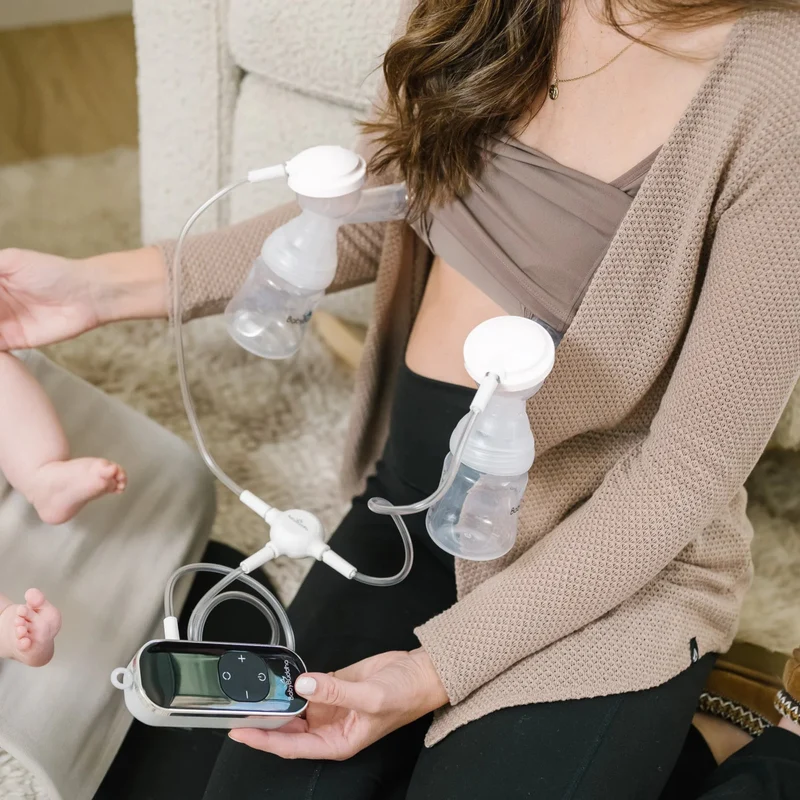
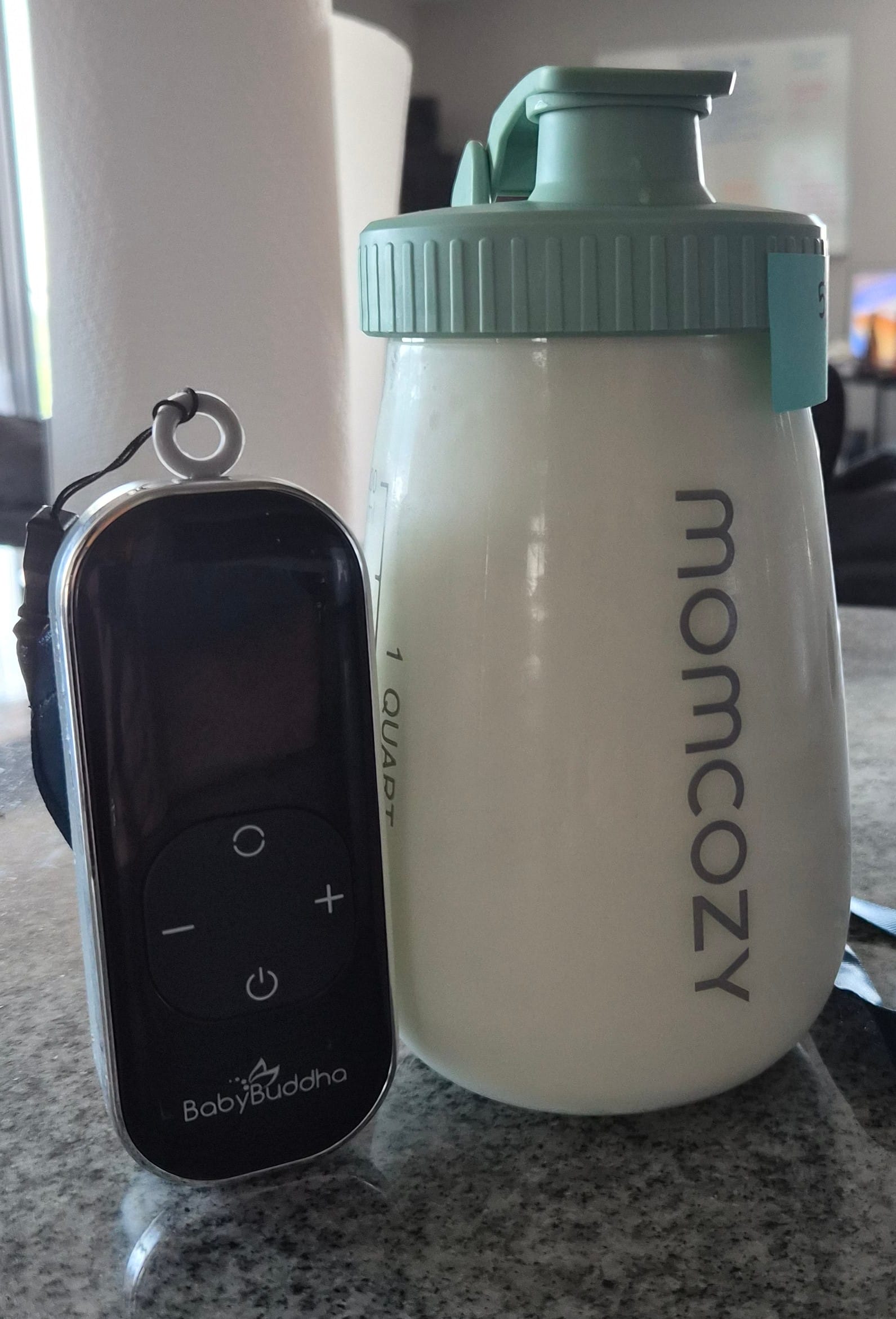
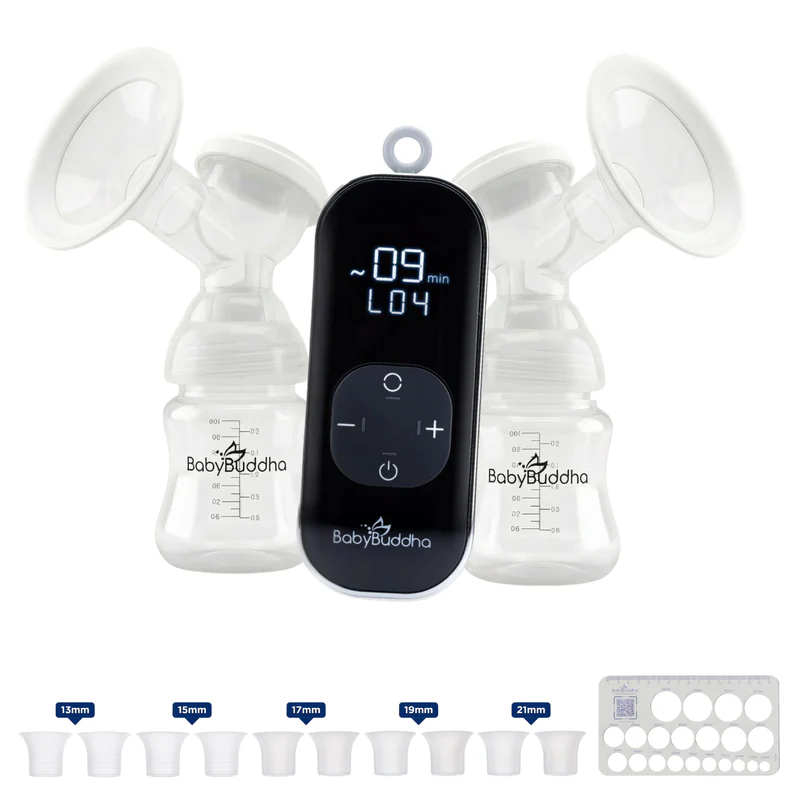
The Baby Buddha 2.0 is a portable breast pump that’s genuinely tiny. At 6.8 ounces it’s smaller than most phones, and it hangs around your neck on the included lanyard, which is the whole trick to its portability. Don’t let the size fool you, though. It delivers hospital-grade suction that ranges from 53 all the way to 320 mmHg, which is genuinely some of the strongest suction on the market, portable or not.
You get 21 settings spread across three modes: six levels of soft stimulation, six of classic stimulation, and nine of expression. It runs on a rechargeable battery, uses a closed system to keep your milk protected, and the whole thing is BPA free. In other words, it’s built like a primary pump, just shrunk down.
Does it actually empty you?
Short answer: yes, and fast. This is the question that matters most when you’re exclusively pumping, because the pump is doing the entire job of feeding your baby.
Letdown and session time
From the first few sessions, my letdown came noticeably quicker than I was used to. My sessions now run about 14 minutes from start to finish, which lines up with what other moms report too, most land somewhere in the 10-to-15-minute range. That’s often half the time a standard wall pump takes, and when you’re doing this five or six times a day, those minutes add up to real sanity.
Output and supply
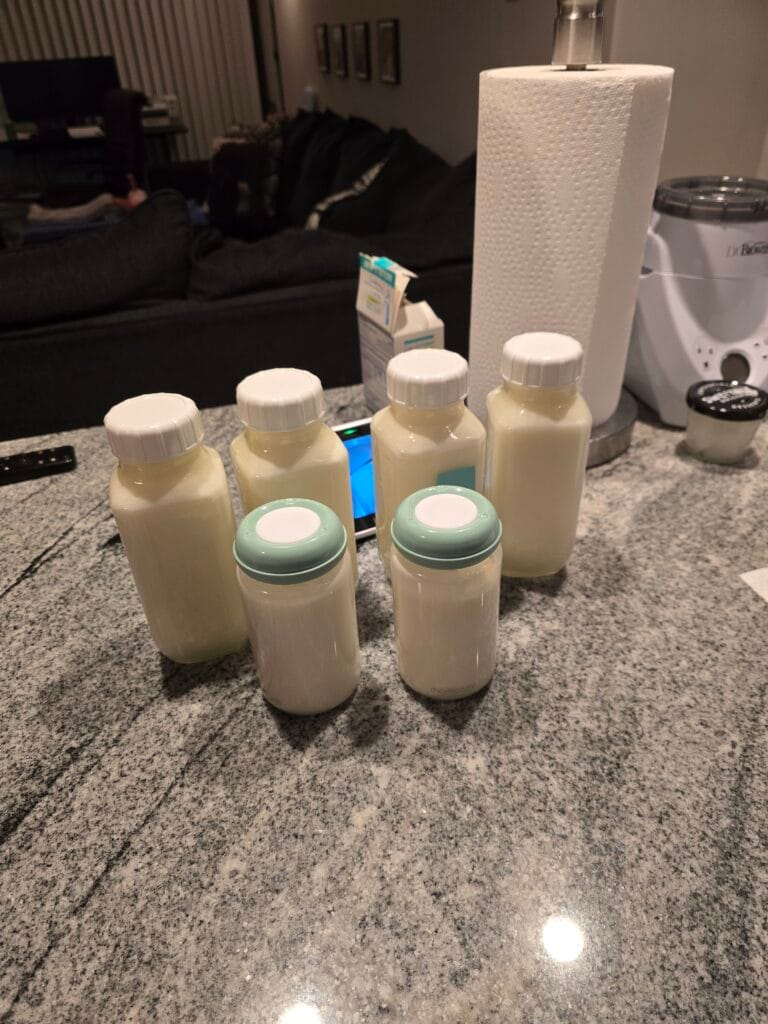
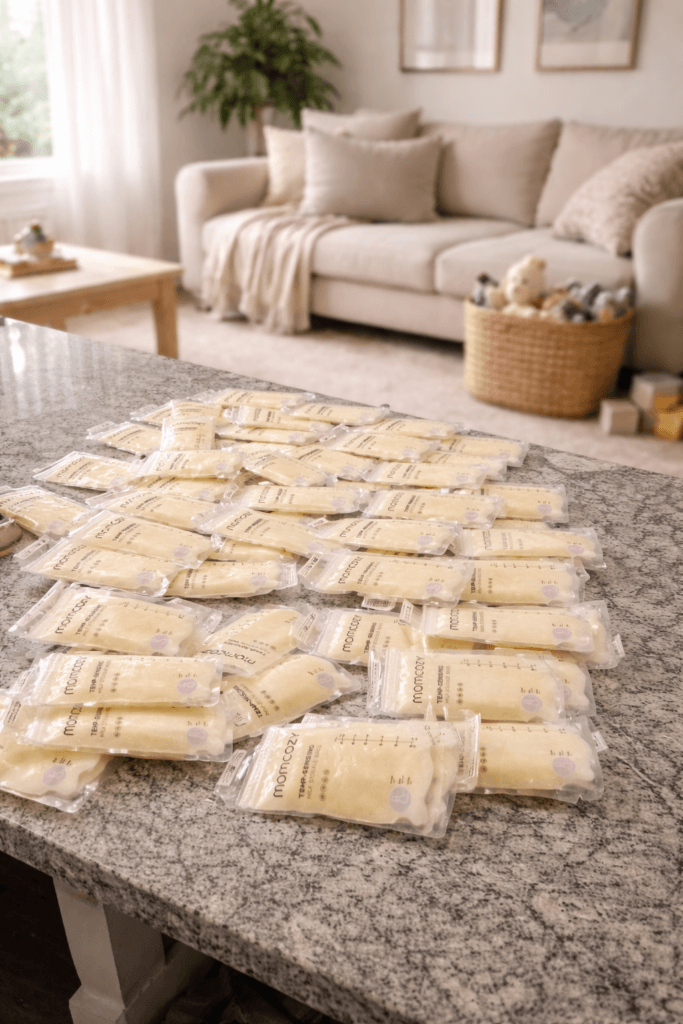
My daily output held steady after the switch, and if anything it crept up a little. I have a strong, established supply, and I didn’t see a single dip when I changed pumps. For an EP mom, that’s the whole ballgame. The unique stimulation pattern is designed to mimic a baby’s nursing to trigger letdown and protect your supply, and in my experience it genuinely does. It moves milk completely and efficiently, every single time.
My exact settings
This is one of the most-searched things about this pump, so here’s exactly what works for me. The Baby Buddha 2.0 has three modes to play with: soft stimulation, classic stimulation, and expression.
My routine looks like this:
- First 5 minutes: soft stimulation mode to ease in
- Next 5 minutes: expression mode, but only at suction level 2
- Rest of the session: back to stimulation mode, suction bumped up to around level 4 or 5
That soft stimulation mode is new to the Baby Buddha 2.0, and it’s a game changer. The original pump only had one stimulation mode that hit hard right out of the gate, which scared off a lot of moms. The softer mode fixes that and makes the whole pump far more approachable.
One heads-up the box won’t tell you: in stimulation mode, the pump auto-advances the suction every 30 to 45 seconds. If you want to hold a specific level, just keep a thumb on the trackball. And the rule I’d tattoo on every new pumper: stronger suction does not mean more milk. Start low, work up.
The flange hack for elastic nipples
Here’s the part almost nobody talks about.
The Baby Buddha flanges in the box are perfectly fine, but because of my elastic nipples, my body has always done better with my Spectra flanges. One thing working in this pump’s favor is that it uses a pump-to-bottle setup with longer flange tunnels, which is already friendlier to elastic nipples than most wearables. But I wanted my Spectra fit specifically.
So I cut the adapter off the end of the Baby Buddha tubing and connect my Spectra flanges straight to it. It works flawlessly, connects perfectly, and the suction didn’t change one bit. I’ll add the obvious caveat: this is a modification and it’s just what worked for me. One thing to know is that off-brand parts can wear out a little faster against this pump’s strong motor, so keep an eye on them. If you try it, do it at your own risk.
Comfort and the learning curve
The Baby Buddha 2.0 has strong, hospital-grade suction, and that strength is exactly why you’ll spot a few reviews mentioning soreness. In my experience, the fix is technique, not avoiding the pump.
I use a 21mm flange insert, and my adjustment period was honestly just two or three days. No bruising, no damage, and I really think that’s because I start on the lowest soft-stim setting and listen to my body instead of forcing it.
This is also where flange fit matters most. The strong suction can pull elastic or sensitive tissue too far into the tunnel if your size is off, which is the real source of most pain complaints, not the pump itself. Get your fit right, ease in with the soft stimulation mode, and the power becomes the benefit instead of the problem.
What it’s like to live with
This is where the pump really earns its keep in a busy life.
Noise
If I’m being picky, this is my one real complaint. It’s a touch louder than what I was used to. That said, it’s still quiet enough that I pump next to my sleeping baby all the time and she never stirs. For context, most reviews clock it around 42 decibels, a low hum that blends into background noise, so “louder” here is relative, not disruptive.
Battery
I get about three sessions per charge, which matches what the brand claims (up to four) and what most moms find in practice. Sounds like a downside, but it really isn’t, because it charges fast over USB and I just plug it in the second I finish pumping. If you pump somewhere without easy outlet access for long stretches, it’s worth a thought, but for my routine it’s a non-issue.
On the go
Being hands free is the whole reason it took over as my main pump. We’re an active, always-moving family, so I pump in the car constantly, and doing that without hunting for an outlet has been a lifesaver. I’m not super discreet since I use flanges, not cups, but that’s true of any flange-based pump and it’s never bothered me.
So, is it worth it?
For me, completely. It’s fast, it goes anywhere, and it protected my supply through a full month of exclusive pumping. It gave me the pumping experience I’d been chasing: real power and real portability at the same time, when most pumps make you pick one.
If you’re weighing this against a Spectra like I was, I’ve got a full Baby Buddha 2.0 vs Spectra breakdown coming next, where I compare them side by side as primary pumps from someone who exclusively pumped on both.
Frequently Asked Questions
Yes. It has hospital-grade suction up to 320 mmHg and three modes, and it kept my supply steady through full-time exclusive pumping. It empties well enough to be a true primary pump, not just a backup.
It’s a touch louder than some pumps, but at around 42 decibels it’s still quiet enough to use next to a sleeping baby. The noise is its only real downside for me.
It comes with its own, but some moms prefer other brands. I cut the tubing adapter and use my Spectra flanges with no loss of suction, though that’s a modification you’d do at your own risk, and off-brand parts may wear faster.
No. It’s a portable pump with a closed system and hospital-grade suction that hangs from a lanyard. It is not an in-bra wearable breast pump.
About three pumping sessions per charge for me (the brand says up to four), and it recharges quickly over USB between uses.
Yes. It uses a BPA-free, closed-system design that keeps your milk protected from backflow and contamination.
My final thoughts
The Baby Buddha 2.0 gave me the one thing I couldn’t find anywhere else: power and portability in the same pump. As an exclusive pumper with an active family and a body that just doesn’t get along with wearables, it turned out to be the perfect middle ground. It’s fast, it travels, and it kept my supply exactly where it needed to be.
If you want to try it, use my Baby Buddha discount code [EUROPEANMAMA] for a discount, and shop it here.
Disclosure: I purchased this pump myself. This post contains affiliate links, and I may earn a small commission at no extra cost to you if you buy through them. This review reflects my genuine experience and is not medical advice. Every body responds differently, so monitor your own output and comfort.